


New Bottles, Design Shifts and a Royal Moment
January is rarely the loudest month in the whisky calendar, but that does not make it insignificant. The start of the year often reveals how distilleries are positioning themselves for the months ahead through quieter releases, subtle brand updates and moments that reinforce whisky’s cultural standing rather than its commercial noise. January 2026 has followed that pattern closely.
Rather than headline-grabbing launches, this month has been defined by measured progress. Thoughtful new brands entering retail, established distilleries refining their presentation, and a reminder of whisky’s enduring place in Scotland’s national story.
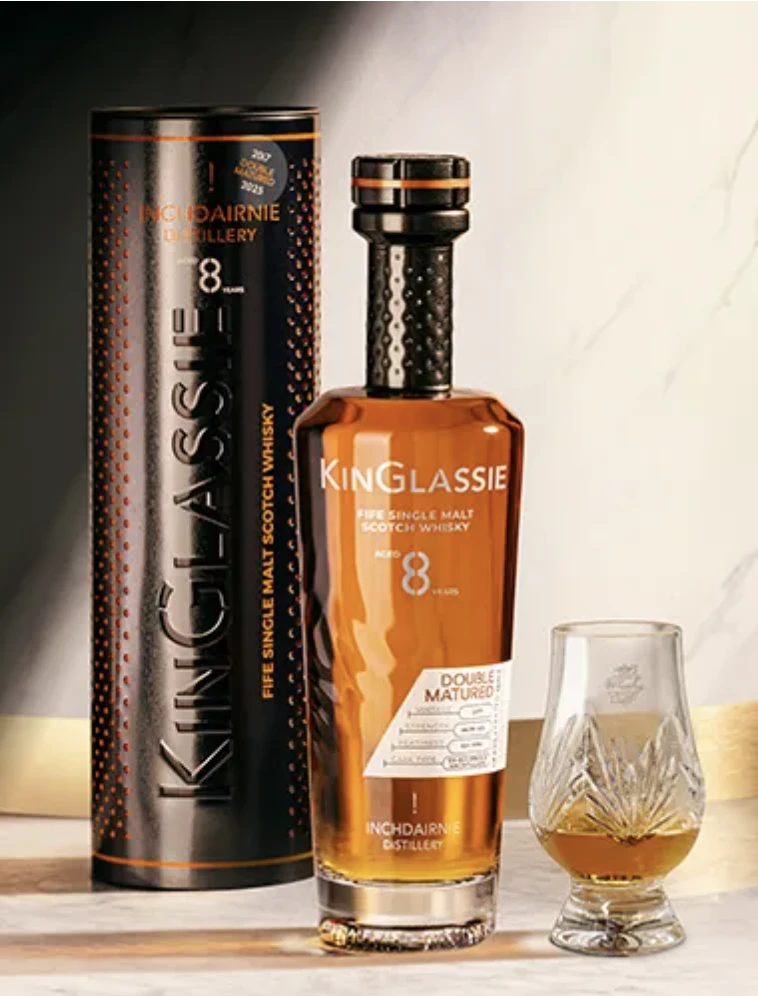
One of the more notable retail additions moving from late December into January has been Kinglassie, a new whisky brand from Inchdairnie Distillery. While Inchdairnie has already built a reputation for technical precision and modern thinking, Kinglassie arrives with a clear focus on both presentation and flavour.
The bottle and tube design immediately stand out. Contemporary, confident and well judged for a premium audience. More importantly, the liquid has matched that promise. The range includes two heavily peated expressions, both sitting at 50ppm, offering a more robust, smoky style than many might expect from the distillery. Early impressions suggest Kinglassie is less about experimentation for its own sake and more about controlled, deliberate character building.
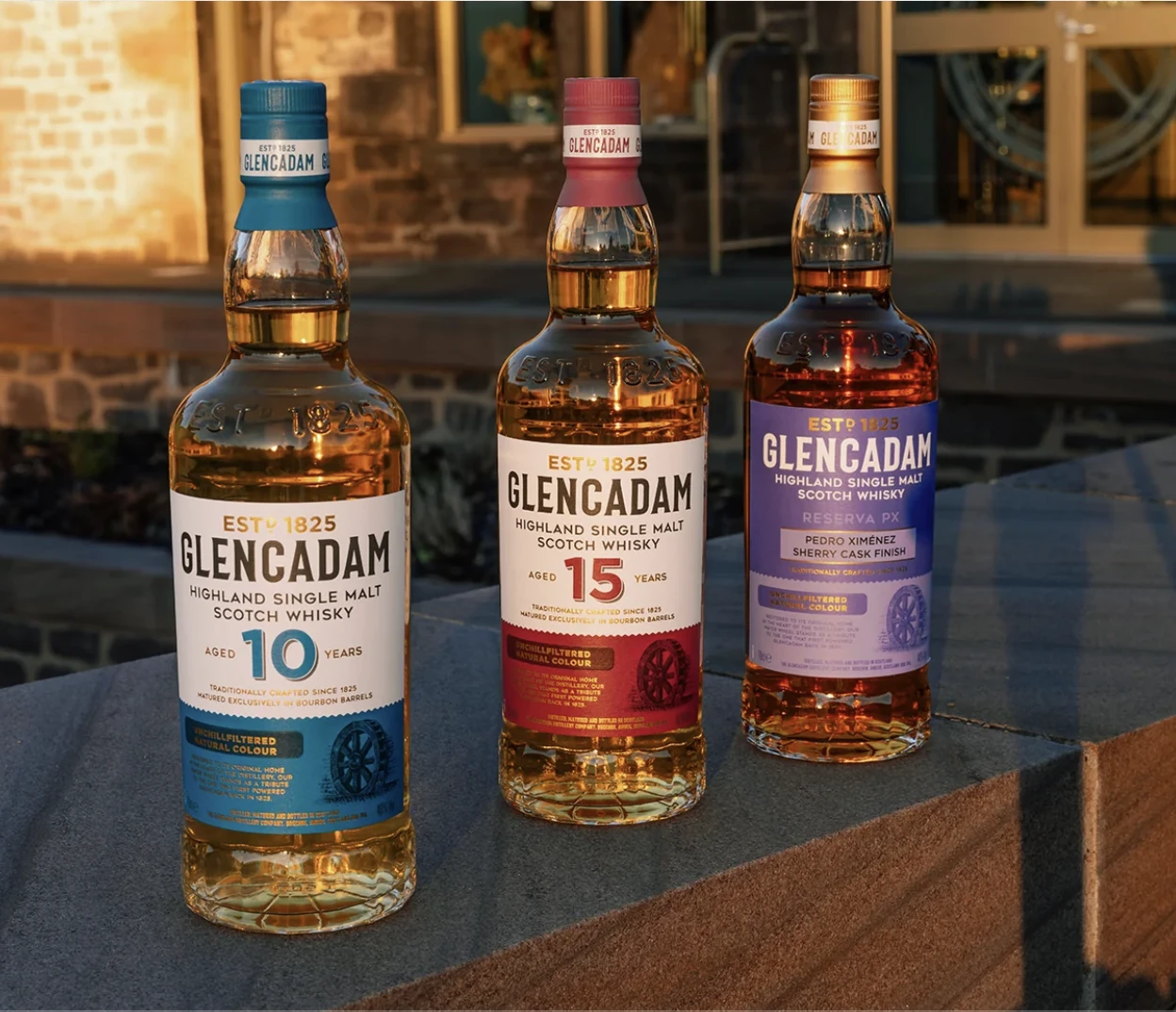
January has also marked the rollout of a new bottle and packaging design from Glencadam Distillery. Launching from this month onwards, the refreshed presentation represents a clear premiumisation of the brand while remaining grounded in its established identity.
The redesign places stronger emphasis on clarity and provenance. Age statements are more prominent, cask maturation is clearly communicated, and visual cues reinforce Glencadam’s long-standing commitment to natural colour and non-chill filtration. The update coincides with the distillery’s 200th anniversary and the opening of its visitor centre, making the timing feel deliberate rather than cosmetic. It is a reminder that evolution in whisky branding does not require reinvention, only confidence in what already exists.
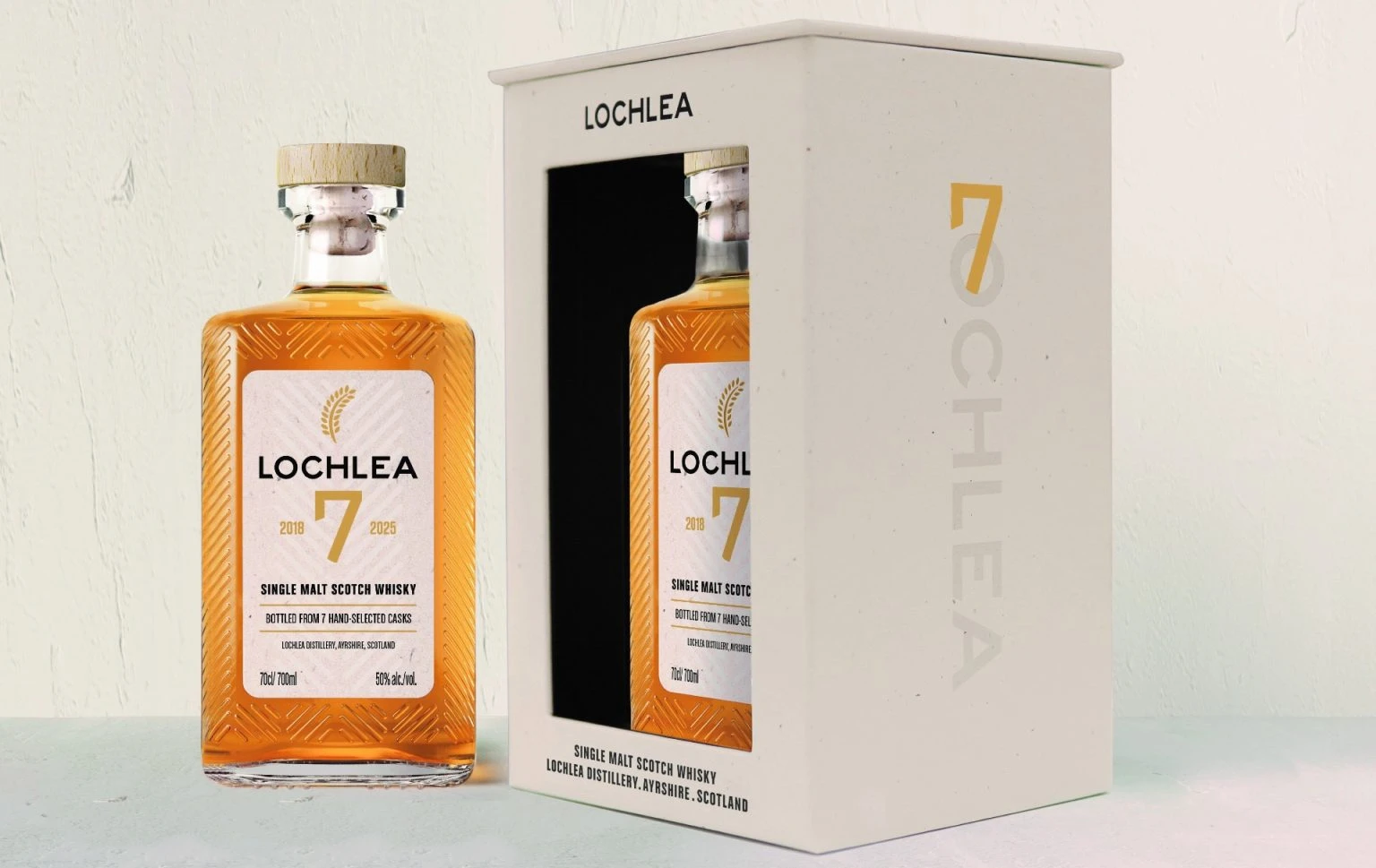
From the Lowlands, Lochlea Distillery has released its oldest age-statement whisky to date, a 7-year-old single malt. While seven years may appear modest on paper, this bottling represents a meaningful milestone for a distillery that has taken a notably patient, incremental approach since its first releases.
Lochlea’s core range has already earned a reputation for balance and reliability, and this new expression is expected to sit naturally alongside those established styles. Rather than rushing to push age, the distillery appears content to let its whisky develop at its own pace, a philosophy that continues to resonate with drinkers who value consistency over spectacle.
January also delivered a cultural moment that travelled well beyond the whisky press. King Charles III was reported to have sampled Rosebank 31 Year Old Single Malt Scotch Whisky during an official reception at the Palace of Holyroodhouse in Edinburgh.
The whisky, drawn from stocks distilled before Rosebank’s closure in 1993, forms part of the distillery’s legacy releases and has been widely praised for its long, careful maturation. The King was said to remark on its toffee-like character, a small but telling detail that quickly captured attention.
For Rosebank Distillery, now revived after decades of silence, the moment carried symbolic weight. It served as a reminder of the distillery’s historic importance within the Lowlands and its renewed presence within Scotland’s whisky landscape.
Taken together, January’s developments point toward a year shaped less by volume and velocity and more by intent. New brands are arriving with clarity, established producers are refining how they tell their stories, and heritage continues to matter.
It is a calm beginning, but a purposeful one. In whisky, that is often where the most meaningful progress is made.




This website uses cookies to ensure you get the best experience on our website. Read more
We won't track your information when you visit our site. But in order to comply with your preferences, we'll have to use just one tiny cookie so that you're not asked to make this choice again.
Access our whiskey guide for the latest on cask whiskey ownership.

