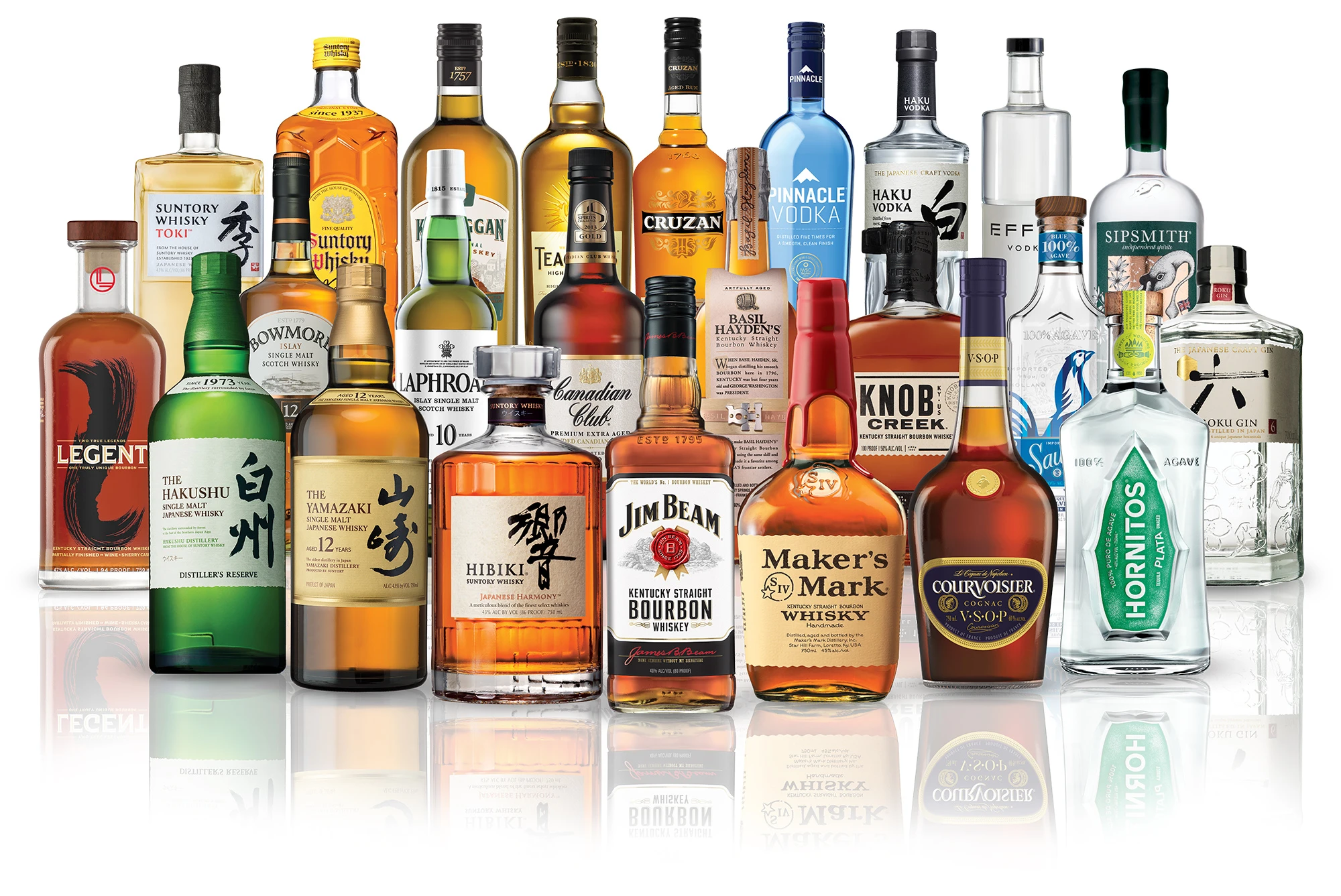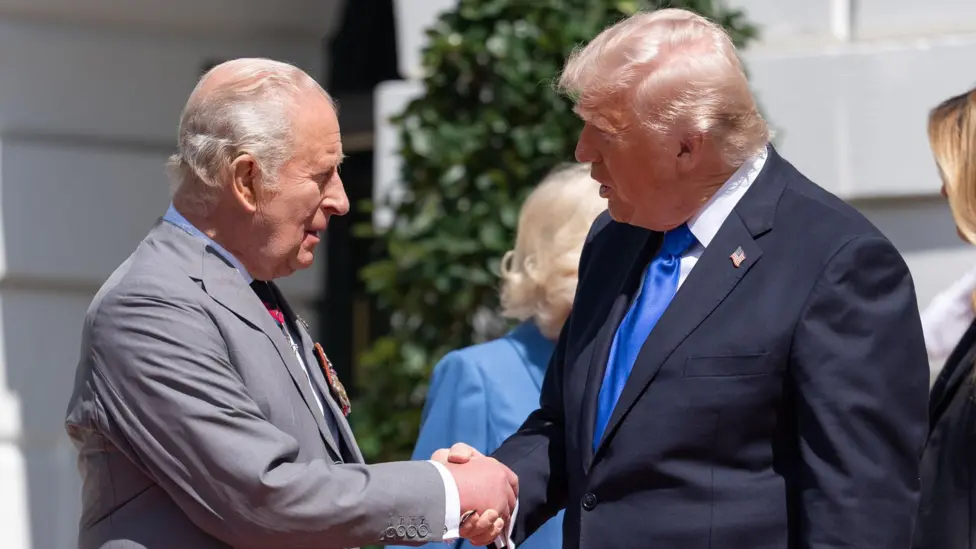
In a single Truth Social post, President Trump removed tariffs on Scotch whisky, ending months of trade pressure on one of Scotland’s most significant export industries. The announcement came on 30 April 2026, following a four-day state visit by King Charles III and Queen Camilla to the White House, and it carried consequences well beyond the diplomatic occasion that prompted it.
For those who follow Scotch whisky closely, whether as enthusiasts, industry professionals, or cask owners, the news arrived as both a relief and a reminder of just how exposed the industry had become
What are whisky tariffs?
Whisky tariffs are import taxes levied by a government on Scotch whisky entering its borders. When the United States applies a tariff to Scotch whisky, it raises the cost of importing those bottles for American distributors and retailers. That increased cost is typically passed down the supply chain, making Scotch more expensive for American consumers and reducing its competitiveness against domestic spirits such as Kentucky bourbon.
The roots of the dispute stretch back to 2019, when the US and European Union became embroiled in a long-running trade argument over aircraft subsidies. Scotch whisky was caught in the crossfire, with the US imposing a 25% tariff on single malts as part of a broader package of retaliatory trade measures. A five-year suspension on those tariffs was in place but due to expire, leaving the industry facing the prospect of a return to 25% duties if no deal was reached.
Then came the ‘Liberation Day’ tariffs of April 2025. The Trump administration placed a 10% levy on most goods imported from Britain as part of a sweeping set of global trade measures. For the Scotch whisky industry, the timing was severe. Export volumes to the US fell 15% in the period following that announcement, and the Scotch Whisky Association reported losses of approximately £4 million per week.
The US is the largest single export market for Scotch whisky by value. A sustained decline in that market was not an abstract concern. Jobs, distillery revenues, and the viability of smaller producers were all at risk.
On 30 April 2026, Trump posted on Truth Social that he would be removing “the Tariffs and Restrictions on Whiskey having to do with Scotland’s ability to work with the Commonwealth of Kentucky on Whiskey and Bourbon.” He attributed the decision to the influence of King Charles and Queen Camilla, writing: “The King and Queen got me to do something that nobody else was able to do, without hardly even asking.”
Buckingham Palace confirmed the king had been made aware of the decision and expressed his gratitude. Scotland’s First Minister John Swinney described it as a “tremendous success,” noting that people’s jobs had been at stake and millions of pounds were being lost from the Scottish economy every month.
The Distilled Spirits Council of the United States also welcomed the announcement, noting that removing the 10% tariff on UK whisky would be a “major victory” for American hospitality businesses. Importantly, the move was not just a concession to Scotland. The barrel trade between Scottish distilleries and Kentucky bourbon producers, which underpins the maturation process for both industries, was explicitly cited as a reason for the lifting of restrictions.
Scotch whisky maturation relies heavily on used American oak barrels, predominantly ex-bourbon casks from Kentucky. Bourbon regulations require that American whiskey is matured in new charred oak barrels, meaning those casks can only be used once domestically before being sold on. Scottish distillers have long been the primary buyers, using these barrels to impart flavour complexity during maturation.
This is not a peripheral detail. The barrel trade is a genuine interdependency, and tariffs on either side of the Atlantic threatened to disrupt a supply chain that both industries rely on. Trump’s direct mention of the barrel relationship in his announcement suggests this was understood, and that the decision was informed by practical trade considerations as well as diplomatic goodwill.
For those who own Scotch whisky casks, this development carries meaningful implications for the long-term outlook of the category they hold.
The US market has historically been the engine of Scotch whisky’s global growth. When that market contracts, as it did following the 2025 tariff announcements, the downstream effects are felt across the industry: distilleries reduce production, blenders adjust their purchasing, and the economics of aged whisky shift. The removal of tariffs does not instantly reverse those effects, but it does restore the conditions under which Scottish distilleries can pursue long-term growth strategies with confidence.
Cask ownership is, by its nature, a long-term proposition. The whisky in a cask today will not be bottled for years, sometimes decades. What happens in the policy environment in the interim matters, because it shapes the commercial landscape into which that whisky will eventually be released. A normalised trading relationship between Scotland and the United States is a materially better backdrop for Scotch whisky than the alternative.
At Tomoka, our view has always been that cask ownership is best understood in the context of the industry’s underlying strength. Scotch whisky has weathered political turbulence before. The category’s fundamentals, rooted in provenance, craft, and a production process that cannot be rushed, remain intact.
The announcement, characteristically, came via a social media post rather than a formal trade agreement. The White House did not issue immediate clarification on the precise scope of the tariff removal, and some industry observers have noted that the detail of implementation will matter. A post-in-principle is not the same as a signed trade framework.
That caveat aside, the direction of travel is clear, and the political will from both sides is evident. Scotland lobbied hard. King Charles’s role, while informal, appears to have been genuinely influential. The industry will now work to ensure the commitment translates into stable, long-term trading conditions.
Scotch whisky tariffs are taxes imposed by an importing country on Scotch entering its market. In the US, tariffs are collected at the point of import and paid by American importers, who typically pass the added cost on to distributors and retailers. The effect is that Scotch becomes more expensive for American consumers relative to domestically produced spirits.
President Trump announced the removal following a state visit by King Charles III and Queen Camilla in late April 2026. Trump credited the king and queen directly, citing both the diplomatic occasion and the long-standing barrel trade relationship between Scottish distillers and Kentucky bourbon producers as reasons for the decision.
The Scotch Whisky Association reported that export volumes to the US fell 15% following the April 2025 tariff announcements. The association also estimated losses of around £4 million per week as a result of the broader tariff environment.
Scotch whisky is predominantly matured in used American oak barrels, most of which are ex-bourbon casks from Kentucky. US law requires that bourbon be aged in new charred oak containers, meaning those barrels are released after one use. Scottish distillers are major buyers of these casks, and the barrel trade is a genuine commercial interdependency between the two industries.
Indirectly, yes. The US is Scotch whisky’s largest export market by value. A healthier trading relationship with the US supports distillery revenues, blending demand, and the commercial conditions into which aged whisky is eventually released. For cask owners, the restored trade environment is a positive development for the long-term outlook of the category.
Not in the strict sense. The announcement was made via a Truth Social post and had not, at the time of publication, been accompanied by formal trade documentation from the White House. Industry bodies were interpreting the announcement as a removal of the 10% levy, and were working to confirm the detail of implementation.
Restored access to the US market removes a significant headwind from the industry. Scotch whisky’s underlying fundamentals, its protected geographic status, the craft of its production, and the irreplaceable time required for maturation, have not changed. The category is well placed to recover lost ground and continue its long-term trajectory.
Interested in Scotch whisky cask ownership?
Speak to the team at Tomoka by contacting us today.
Whisky casks are a long-term, illiquid asset. Values can fluctuate and returns are not guaranteed. For private clients only.
This website uses cookies to ensure you get the best experience on our website. Read more
We won't track your information when you visit our site. But in order to comply with your preferences, we'll have to use just one tiny cookie so that you're not asked to make this choice again.
Access our whiskey guide for the latest on cask whiskey ownership.