Every cask of whisky begins as three simple ingredients and ends, years or decades later, as a spirit shaped entirely by time, wood and place. Understanding that journey is the fastest way to understand what actually gives a cask its character and why no two casks are ever quite the same.
Single cask whisky, in the context of cask ownership, means whisky that stays in one individual cask and is bottled from that cask alone, rather than being vatted with others. This is a different distinction to single malt, which refers to the distillery rather than the cask. A single malt whisky is made at one distillery, but it can still be a marriage of many casks blended together for a consistent house style. Single cask whisky is different again: its colour, strength and flavour come from that one cask’s individual maturation, shaped by the wood, the warehouse and the years it spent resting there. This is what an individual cask owner holds, a whisky whose character is entirely its own, rather than one blended to match a fixed, repeatable profile.
The process runs from grain to glass in six broad stages: malting, mashing, fermentation, distillation, cask ageing and bottling. Each stage leaves its own fingerprint on the finished spirit, which is why understanding the process matters as much as understanding the destination.
Barley is steeped in water until it begins to germinate, unlocking the starches that will later convert into fermentable sugar. Before the grain sprouts too far, it’s dried, traditionally over a kiln fired by hot air. Some distilleries dry their barley over peat, giving the spirit its familiar smoky character; others favour cleaner-burning fuels for a purer profile. Once dried, the barley is milled into grist, ready for mashing.
Mashing
Grist is mixed with hot water in a series of stages, gradually rising in temperature to extract every last trace of sugar. What’s left is a sweet liquid called wort, drawn off from the spent barley husks and carried forward into fermentation.
Yeast is added to the wort, converting sugar into alcohol over a period that can range from a couple of days to well over a week. This stage has an outsized influence on flavour. Short fermentations tend to produce a nutty, cereal-driven spirit, while longer fermentations draw out fruitier, sometimes tropical notes. The result, now alcoholic but not yet whisky, is known as wash.
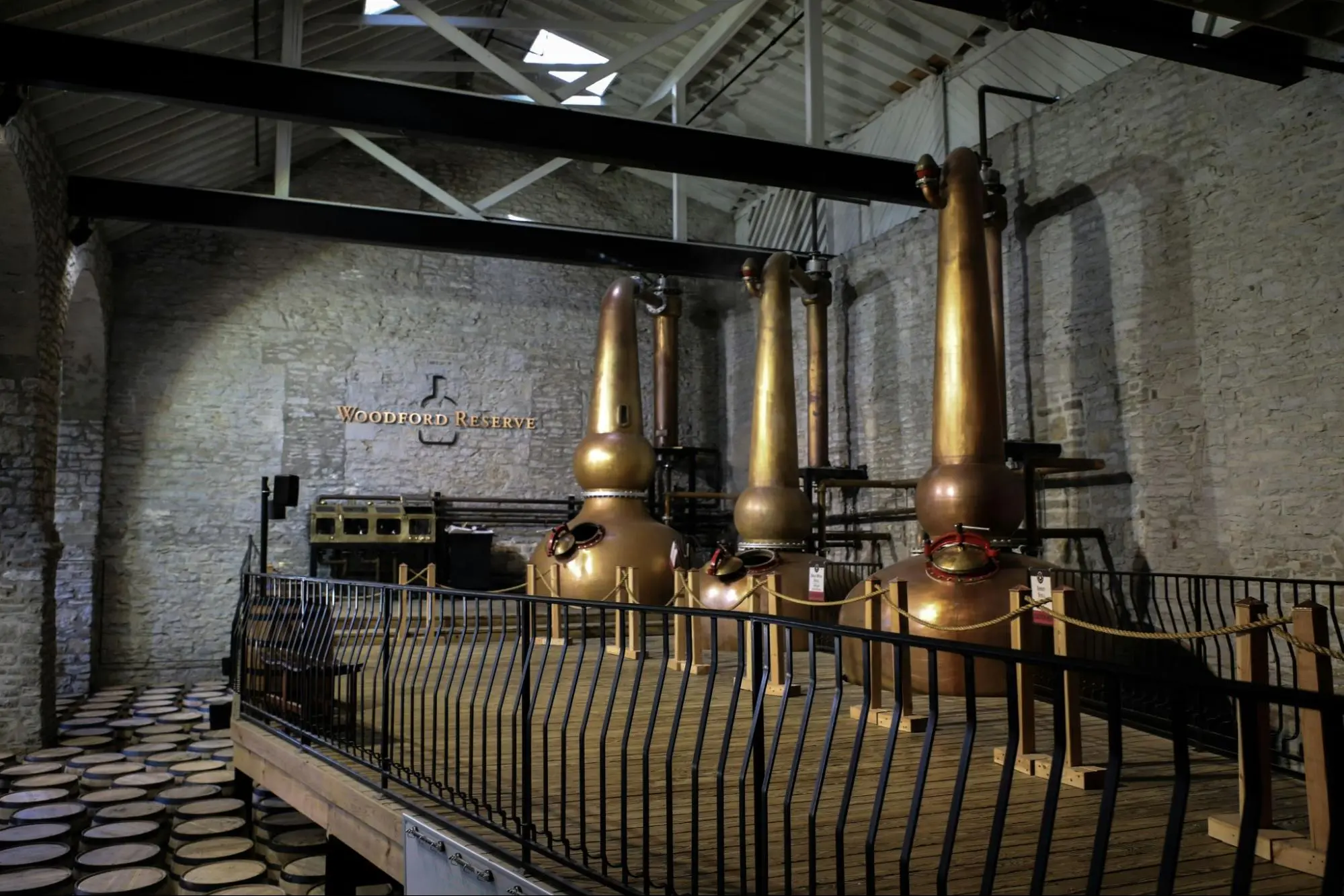
The wash is distilled, typically twice for malt whisky using traditional pot stills, concentrating the alcohol and refining the spirit’s character with each pass. What emerges is new make spirit, clear and high in strength, still years away from earning the name whisky.
This is where whisky is truly made. The spirit is filled into an oak cask and left to mature for a minimum of three years, the legal threshold for Scotch whisky, though most casks rest for considerably longer. Over time the wood contributes colour, softens the spirit and layers in flavour, everything from vanilla and honey through to darker notes of dried fruit and spice, depending on the cask’s history.
Three factors shape how a cask matures:
Once a cask reaches the point its owner or blender is happy with, it’s ready to bottle. Independent bottlers, including specialists working with single casks, often bottle at cask strength, undiluted and unfiltered, for the most authentic possible expression of that individual cask. Mass-market whisky, by contrast, is usually diluted to a consistent strength and chill-filtered for clarity on the shelf.
The years a cask spends maturing aren’t just about flavour. They’re the foundation of everything that makes a cask distinctive: its rarity, its character and its long-term value as an asset. A cask’s story, from the barley used to the warehouse it rests in, is what a prospective cask owner is really acquiring.
Whisky casks are a long-term, illiquid asset. Values can fluctuate and returns are not guaranteed. For private clients only.
How long does whisky have to be aged in a cask?
By law, Scotch whisky must mature in an oak cask for a minimum of three years. Many casks are left considerably longer, often a decade or more, to develop deeper, more complex flavour.
What’s the difference between single cask, single malt and blended whisky?
Single cask whisky comes entirely from one cask, so its flavour reflects that cask’s individual maturation and nothing else. Single malt comes from one distillery, but is usually vatted from several casks to achieve a consistent house style. Blended whisky goes a step further, combining whisky from two or more distilleries, and sometimes different whisky types, to create a recognisable, repeatable taste across every bottle.
Does the type of cask affect the whisky’s flavour?
Yes, significantly. What a cask held previously shapes the whisky maturing inside it. An ex-bourbon cask tends to produce a lighter colour and gentler, sweeter vanilla notes, while an ex-sherry cask brings a deeper, richer colour and a fruitier, more intense flavour profile in contrast.
What is the angel’s share?
It’s the portion of whisky lost to evaporation each year while maturing in cask. The rate varies significantly depending on climate and warehouse conditions.
Why does fermentation length matter?
Shorter fermentations tend to produce nuttier, more cereal-forward spirit, while longer fermentations bring out fruitier, sometimes tropical characteristics that carry through into the final whisky.
What does cask strength mean?
Cask strength whisky is bottled at the natural strength it reached during maturation, without dilution. It’s generally considered the most authentic way to experience a cask’s true character.
Why does understanding cask production matter for cask ownership?
Every stage, from the barley to the warehouse, shapes what a cask ultimately becomes. Understanding that process is the clearest way to judge a cask’s character, rarity and long-term appeal.
To talk through cask ownership with our team, visit tfandr.com/contact.


This website uses cookies to ensure you get the best experience on our website. Read more
We won't track your information when you visit our site. But in order to comply with your preferences, we'll have to use just one tiny cookie so that you're not asked to make this choice again.
Access our whiskey guide for the latest on cask whiskey ownership.