


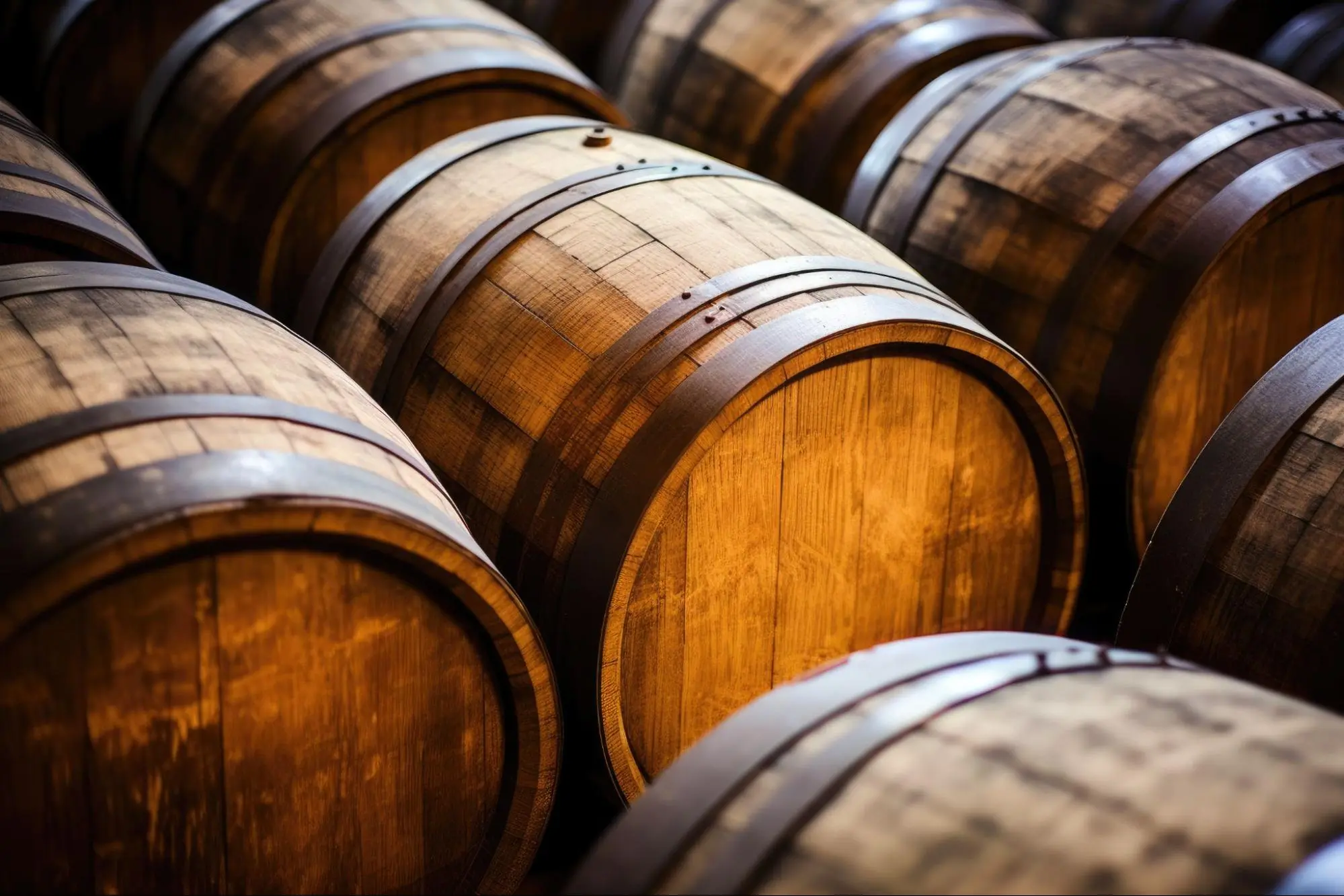
Whisky ownership has grown in popularity among collectors and long-term asset owners seeking tangible, scarce assets with global demand. Whether through bottles or casks, whisky ownership combines physical provenance, time-based maturation and cultural significance.
This guide explains how whisky ownership works, what beginners should consider, and how to approach bottles and casks with clarity and realism.
Whisky is considered an alternative asset because it is a physical, finite product whose supply is constrained by production limits and time. Unlike traditional markets, whisky is not priced daily and does not trade on public exchanges.
Value is influenced by factors such as:
Whisky ownership typically rewards long-term holding rather than short-term trading.
Beginners should approach whisky ownership with a long-term mindset and a clear understanding of how ownership differs from traditional financial assets.
Key considerations include:
Understanding these fundamentals helps avoid unrealistic expectations early on.
Before acquiring whisky, it is important to define your objectives. Common motivations include:
Your objectives will influence whether bottles, casks, or a combination of both are appropriate, as well as your expected holding period.
The purchase price is only one part of whisky ownership. Additional costs may include:
For casks, ongoing warehouse and administration fees are unavoidable. Understanding total costs upfront helps prevent surprises later.
Whisky markets are driven by distillery reputation, production history, age and release volume. Secondary markets, particularly auctions, provide insight into demand and pricing trends, though past performance does not guarantee future value.
Markets tend to reward:
Provenance underpins both value and security in whisky ownership.
For bottles, this includes:
For casks, this requires:
Without proper provenance, resale, insurance and long-term ownership can be compromised.
Whisky should be purchased through established and reputable channels, such as:
Unusually low pricing or guaranteed outcomes should be treated with caution.
Whisky casks must typically be stored in bonded warehouses under controlled conditions. Tax treatment varies depending on jurisdiction and structure and should be understood before purchase.
All whisky holdings should be:
These factors protect both quality and ownership rights.
Concentration in a single bottle, cask or distillery increases exposure to specific risks. Diversification across:
can help create balance and resilience within a whisky ownership strategy.
Exit planning is an essential part of whisky ownership. Common routes include:
Each route involves different timelines, costs and levels of liquidity. Understanding these options early helps align expectations.
Choosing between bottles and casks is a key decision.
Many owners begin with bottles before progressing into cask ownership.
Common mistakes include:
Avoiding these issues helps protect both enjoyment and long-term outcomes.
A resilient approach focuses on:
Careful selection is often more effective than volume-led accumulation.
Whisky ownership combines tangible assets, time-based maturation and global demand. While it carries risk and requires patience, informed ownership supported by clear objectives and proper administration can play a meaningful role within a diversified alternative asset strategy.


This website uses cookies to ensure you get the best experience on our website. Read more
We won't track your information when you visit our site. But in order to comply with your preferences, we'll have to use just one tiny cookie so that you're not asked to make this choice again.
Access our whiskey guide for the latest on cask whiskey ownership.

